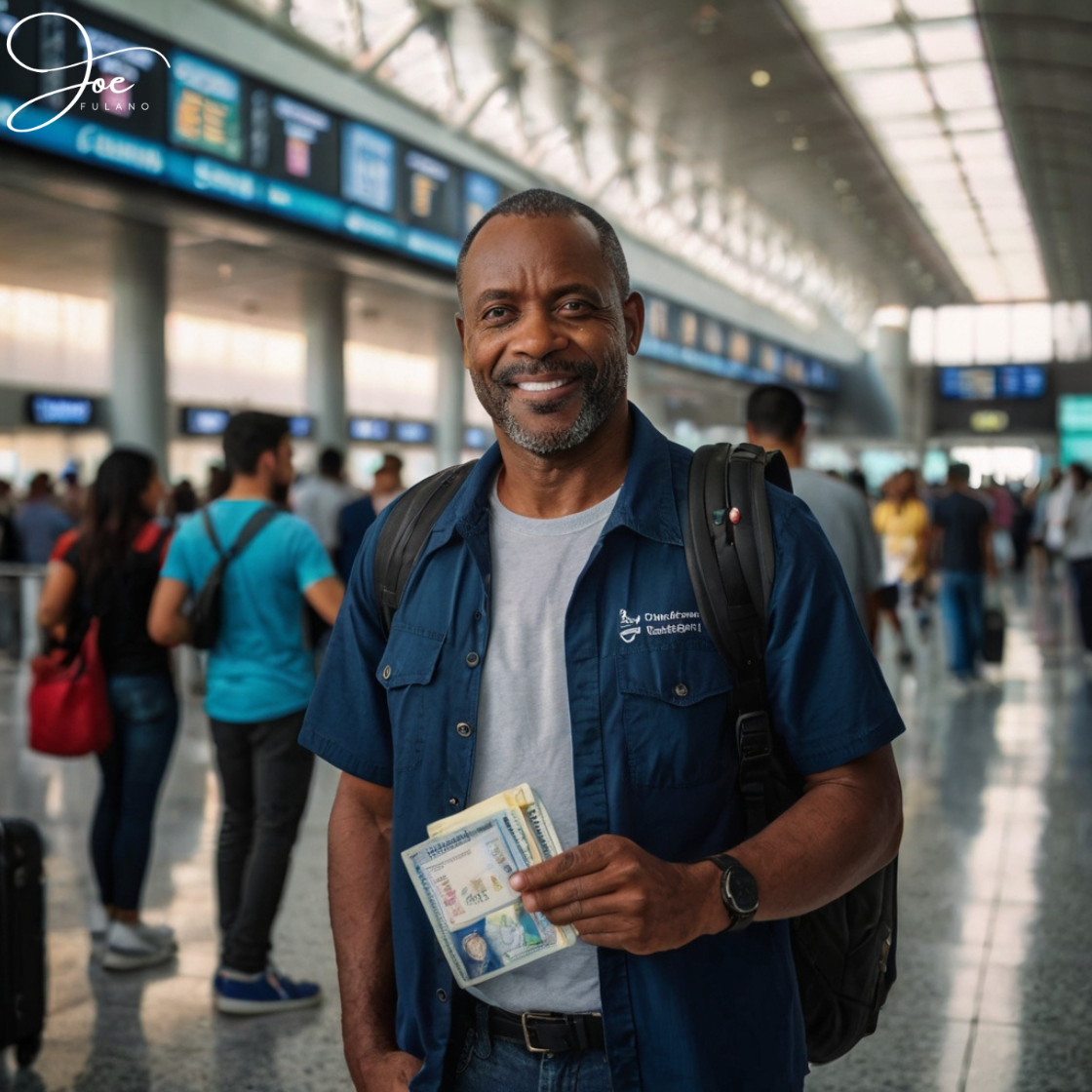
Returning Home From an International Flight
Assuming you have traveled to other cities before, you should have a basic idea of what to expect when you go through an airport. For domestic flights you go through the same process; a luggage scan, the emptying of pockets, walking through a scanner and possibly a physical pat-down. However when leaving an international airport, the process is slightly different. In this article I will explain how to move smoothly through an international airport, what to do, and what to expect.
Getting to the Airport
Before you get to the airport, make sure you have everything you came with. Also, make sure you do not need a negative COVID test before departure. Some airports may still require a negative COVID test before returning to the United States. While some airports offer testing on-site, there are also testing sites nearby. However, make sure you factor this into your budget as a COVID test can cost in upwards of $50.00 US depending on the type of test (regular vs. instant). This requirement is slowly going away, but please do your research and keep it in mind.
Timing is Everything
More important than getting to the airport is when you get to the airport. You want to get to the airport within 2-3 hours of your departure time. Upon arrival to the airport, you may encounter staff that will want to “assist” you with your luggage for a tip and with checking in. Depending on the airline, you may be directed to a kiosk then a representative for passport inspection and to check any luggage. If you do not want help with your luggage, simply say “no, thank you” in English or the language of the country you are visiting. If you arrive too early or too close to the boarding time, you may get a boarding pass with the dreaded “SSSS” printed on it.
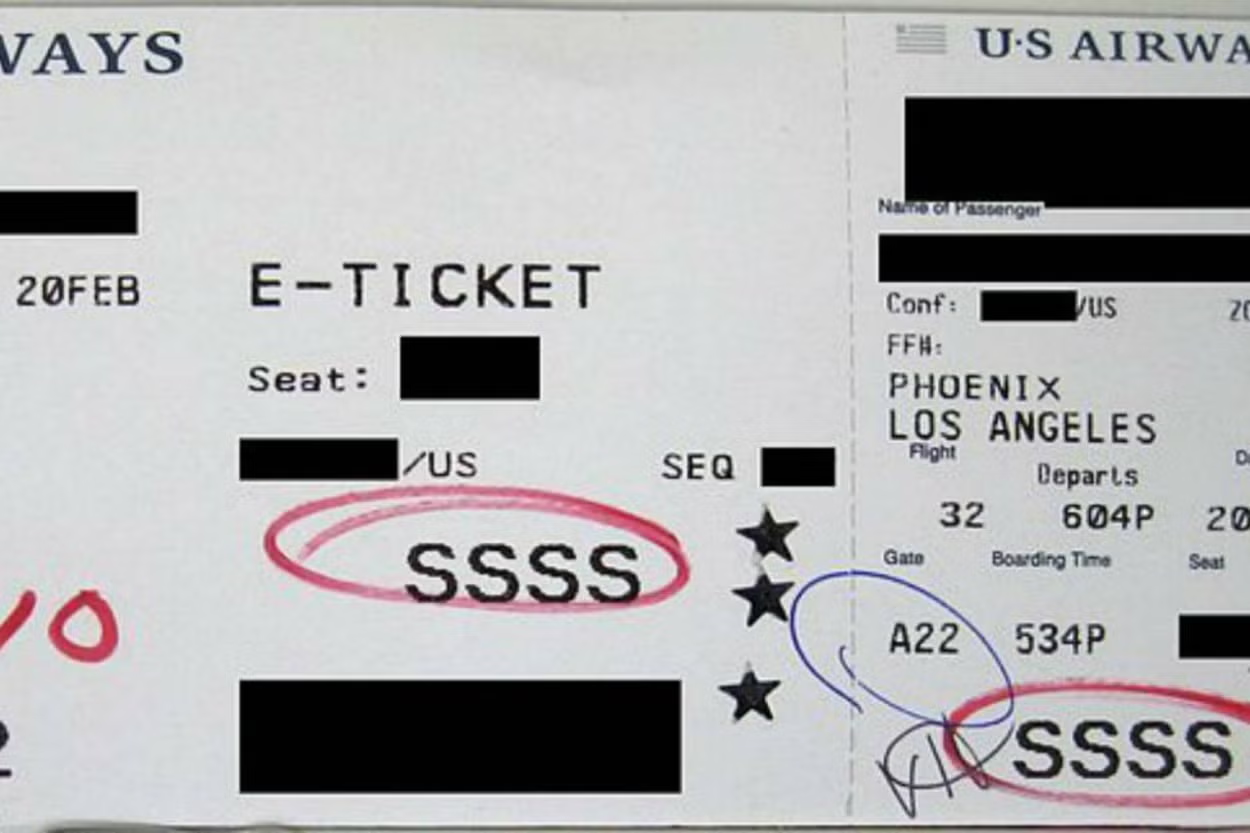
This stands for “Secondary Security Screening Selection”. This is a measure the airlines put into place in order to target or flag certain passengers that they may deem as suspicious. Those with “SSSS” boarding passes will be subject to additional and more detailed inspections of both their luggage and contents. This will happen both at the airport you are leaving and the one you are transferring to. There are other potential reasons for a “SSSS” designation, but these are the two most common reasons.
Screening and Checkout
After you have checked your bag, you will then have to go through immigration and security before heading to the gate. A security officer will be checking your boarding pass and your documents in order to let you pass. Depending on the country, you will need to complete a form for immigration. The form may ask for the country to you are going to, along with flight details. When you arrived to the country, your passport was stamped with an “arrival” stamp. Now that you are leaving, you will receive a “departure” stamp.
Getting through security is pretty much the same process in the United States. Your luggage will be scanned, your pockets emptied, your footwear removed and body scanned. Once you pass through security and immigration, 95% of this process is over.
Food Options and Duty Free
Depending on your flight, you may want to grab something to eat. There are typically a few food options depending on the airport. Some airports have restaurants, while some have quick “grab and go” snacks and drinks.
You will also notice some duty free stores. Anything purchased from these stores will be reasonably priced and free of tax. Some items you find in a duty free store will be considered rare. For example, in the Dominican Republic’s duty-free shops Hennessy White is sold. This particular cognac is not available outside of the Caribbean. Because of this, most people stock up by the case when they visit. Other options are rum and other types of alcohol.
Now I know what you may be thinking; “I have to go through another airport to get home, and I can’t bring liquids through TSA”. Not to worry! As long as the duty-free bags are sealed, the TSA agents may swab the items, inspect them and let them through.
Getting Your Dollars Back
Nine times out of ten you will still have local currency on you. At the airport there are places to exchange your money. Although I do not recommend changing US dollars for the local currency at the airport, there is no issue with changing your money back to US dollars at the airport.
These change places are located at certain designated places within the airport. In the case of the Santiago airport in the Dominican Republic (STI), the currency exchange office is located outside of the gates. Because of this, it is recommended that you exchange your money for US dollars before you get your boarding pass. If you forget or miss the chance of changing your money back to dollars, you can always visit your local bank when you get back to the United States, and they will do it for you.
Conclusion
Traveling internationally becomes easier the more times you do it. Do your research, follow these steps and all of your trips will run smoothly from start to finish. Once you return to the United States, you will need to pass through US Customs and Immigration. Answer their questions truthfully and directly to avoid delays. There will be plenty of staff-members to assist you. If you want to know what happens the moment you arrive to another country, click here.
dominican republicpassport brospuerto platasosuatravel tips